
Which Tow Hitch Attachment Do You Need?
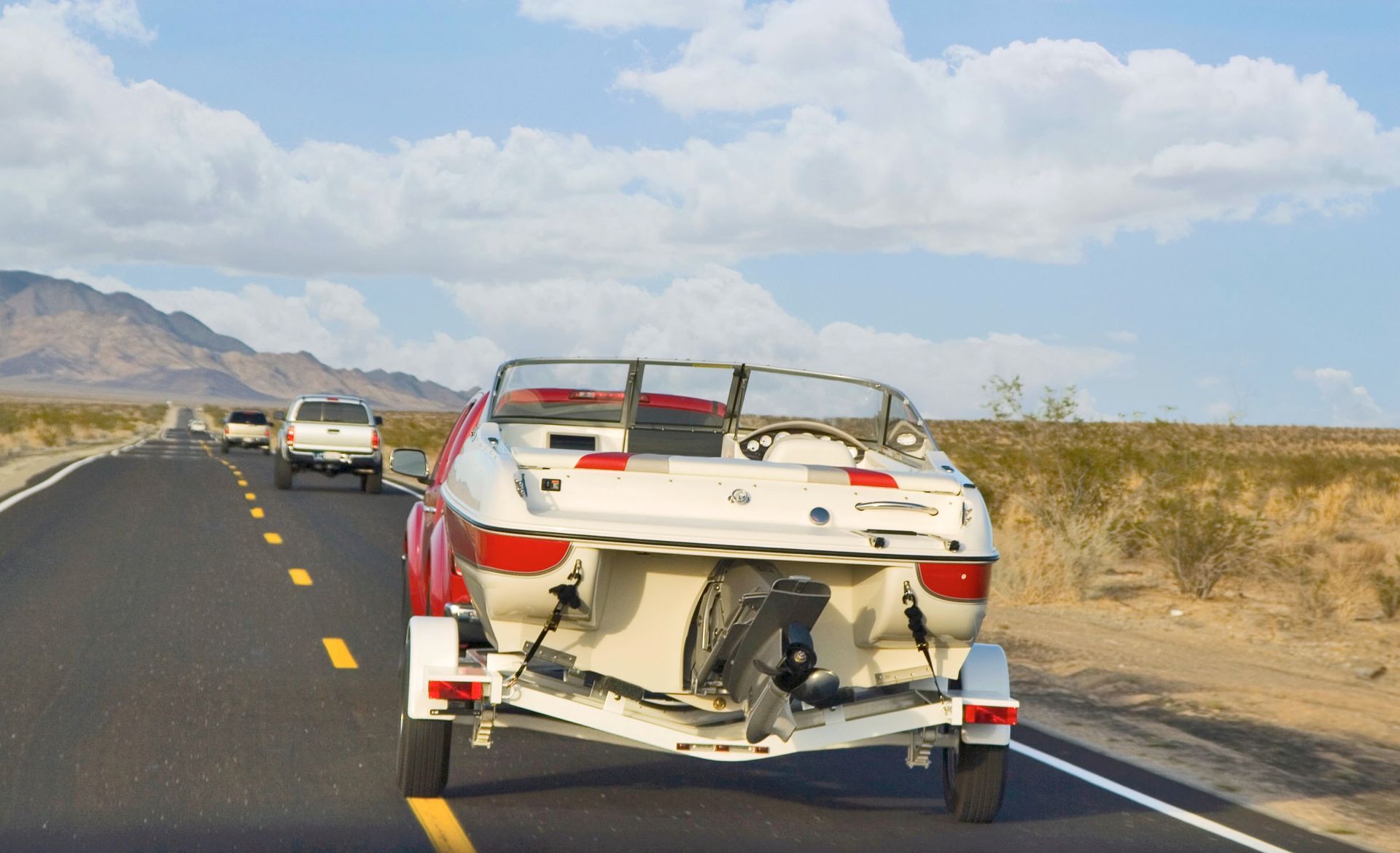
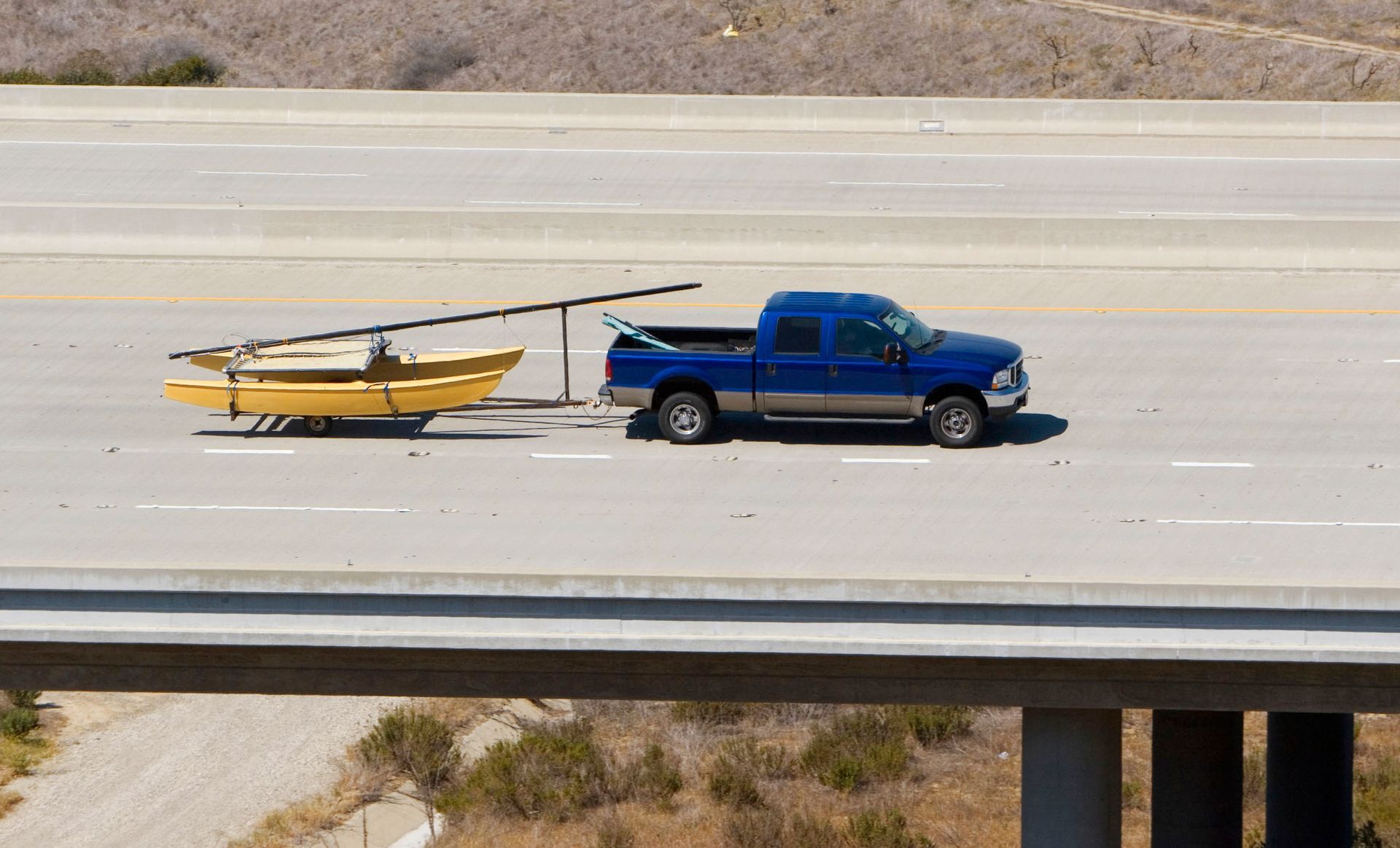
Choosing the right equipment for towing can make the difference between a smooth, safe journey and a frustrating or even dangerous experience. Whether you’re hauling a small utility trailer, a boat, or a camper, understanding how your vehicle connects to what you’re towing is essential. One of the most important components in this setup is the tow hitch attachment system, which determines stability, capacity, and overall safety on the road.
With so many different options available today, it’s easy to feel overwhelmed when trying to decide which one is right for your needs. From basic ball mounts to specialized towing accessories, each option serves a specific purpose. In this guide, we’ll break down the most common types of towing setups and help you understand which one fits your vehicle, your trailer, and your lifestyle. By the end, you’ll have a clearer idea of how to make the safest and most efficient choice for your towing needs.
Understanding Basic Towing Connections
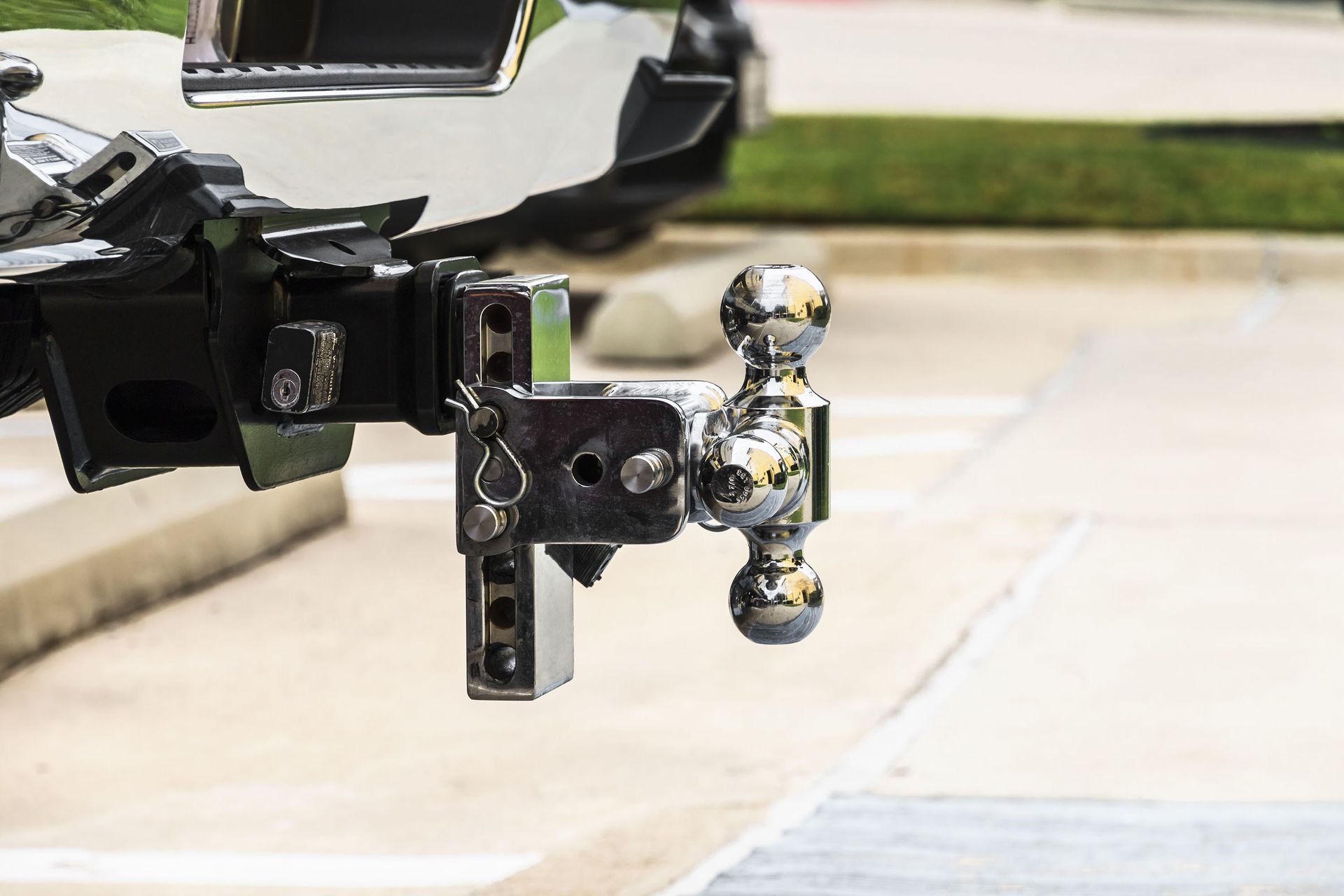
Before selecting the right equipment, it’s important to understand what a tow hitch attachment actually does. This component connects your vehicle to whatever you are towing, creating a secure link that allows weight distribution and controlled movement. Not all towing needs are the same, which is why different configurations exist. A basic tow hitch attachment typically includes a receiver, ball mount, and hitch ball, all working together to provide stability.
The size and rating of your setup will depend on the weight of your trailer and the type of load you plan to carry. Light-duty towing for small trailers requires a very different configuration than hauling heavy equipment or recreational vehicles. Understanding these fundamentals helps prevent mismatched equipment, which can lead to unsafe driving conditions. Once you grasp the basics, it becomes much easier to evaluate which towing system best fits your specific requirements.
Exploring Hitch Classes and Weight Ratings
There are several hitch classes designed to handle different weight capacities, and choosing the right one is critical for safe towing. Class I and II hitches are generally used for light-duty applications such as bike racks or small utility trailers. Class III is one of the most common options for everyday towing needs, offering a balance of strength and versatility. Heavier loads often require Class IV or Class V setups, which are built for substantial weight and more demanding applications.
When selecting a tow hitch attachment, it’s essential to match the hitch class with your vehicle’s towing capacity to avoid strain or potential failure. Vehicle manufacturers typically provide clear guidelines on maximum towing limits, and exceeding these can compromise safety and performance. Understanding these classifications ensures that your towing setup is both efficient and secure, giving you confidence on the road regardless of what you are hauling.
Selecting the Right Ball Mount Setup
Ball mounts are a key part of most towing setups and come in various sizes and styles to accommodate different trailers. The height of the ball mount is particularly important, as it ensures that your trailer remains level during transport. A properly leveled setup reduces sway and improves braking performance. Choosing the correct tow hitch attachment in this category means paying attention to both the drop or rise of the mount and the diameter of the hitch ball.
Some systems offer adjustable ball mounts, which provide flexibility for users who tow different types of trailers. In many cases, upgrading your tow hitch attachment can significantly improve handling and reduce wear on both your vehicle and trailer. Additionally, ensuring that all components are properly torqued and secured is essential for safe operation. Small adjustments in this area can have a big impact on towing stability and overall driving confidence. It also helps minimize trailer sway when traveling at highway speeds or in windy conditions. Over time, these improvements contribute to a smoother and more predictable towing experience overall.
Adding Specialty Towing Accessories
Beyond standard towing setups, there are also specialty accessories designed to expand functionality. These include bike racks, cargo carriers, and hitch-mounted storage solutions that make it easier to transport gear without using interior vehicle space. Many of these accessories rely on a compatible tow hitch attachment to function safely and effectively. These additions are especially useful for outdoor enthusiasts who frequently travel with bikes, camping gear, or extra luggage.
When selecting accessories, it’s important to ensure they are rated for the same weight capacity as your towing system. A mismatch can lead to instability or damage during transit. Investing in the right tow hitch attachment for these purposes can significantly increase your vehicle’s versatility without requiring major modifications. With the right setup, your vehicle becomes a more flexible tool for both everyday use and recreational activities.
Understanding Capacity and Tongue Weight
Selecting the right tow hitch attachment starts with understanding your vehicle’s towing limits. Towing capacity is one of the most important factors to consider when selecting a setup, as it determines how much weight your vehicle can safely handle. Equally important is understanding tongue weight, which refers to the downward force exerted on the hitch by the trailer. According to the Virginia Department of Wildlife Services, the tongue weight (weight of the trailer tongue on the hitch) is equal to 7% to 12% of the total weight of what is being towed. This balance is critical for maintaining stability and preventing sway while driving.
Choosing the correct tow hitch attachment ensures that this weight is properly distributed and managed. If the setup is too weak or improperly matched, it can lead to unsafe handling and increased wear on your vehicle. Proper calculation and equipment selection are essential for both safety and long-term durability of your towing system. Consistently exceeding recommended limits can also cause premature failure of key components like the hitch receiver and suspension system. Taking the time to verify compatibility before every trip helps reduce risk and ensures a more stable towing experience.
Prioritizing Safety and Proper Installation
Proper installation and ongoing maintenance are essential for ensuring safe towing performance. Even the highest-quality equipment can fail if it is not installed correctly or regularly inspected. Bolts should be checked for tightness, and all components should be free from rust or damage before each use. Lubrication of moving parts can also help extend the life of your towing system.
When installing a tow hitch attachment, it is highly recommended to follow manufacturer instructions or seek professional assistance to ensure everything is aligned and secured properly. Regular maintenance not only improves safety but also enhances the longevity of your equipment. Drivers should also periodically reassess their towing needs, especially if they upgrade trailers or change vehicle types. Keeping your setup in good condition ensures consistent performance and peace of mind every time you hit the road.
Choosing the right towing setup is not just about convenience—it’s about safety, efficiency, and long-term reliability. By understanding hitch classes, weight ratings, ball mounts, specialty accessories, and proper load distribution, you can make informed decisions that protect both your vehicle and your cargo. Every component plays a role in how well your system performs, and overlooking even small details can lead to serious issues on the road. Taking the time to evaluate your needs ensures a smoother towing experience every time you travel.
For expert guidance, professional installation, and dependable towing solutions, trust Warners Muffler & Hitches to get you safely on the road.
Share On: